Regulation & Standards, Medical Devices, Materials
Bioethical and Legal Issues in 3D Bioprinting of Human Tissues and Organs
Updated
Introduction
3D bioprinting is transforming the landscape of medical device development, tissue engineering, and regenerative medicine. The ability to fabricate living tissues and potentially whole organs raises practical hopes for solving organ shortages and improving patient outcomes. However, the pace of technological progress has outstripped the development of clear ethical guidelines, regulatory classifications, and legal oversight. For medical innovators and researchers, this creates uncertainty about what is permitted, what risks must be mitigated, and what standards—if any—apply.
This article sets out the main unresolved bioethical, legal, and regulatory issues associated with clinical 3D bioprinting. It outlines the current state of policy gaps and the practical questions that device developers, clinicians, and compliance teams encounter in this fast-evolving area.
What Makes 3D Bioprinting Distinct?
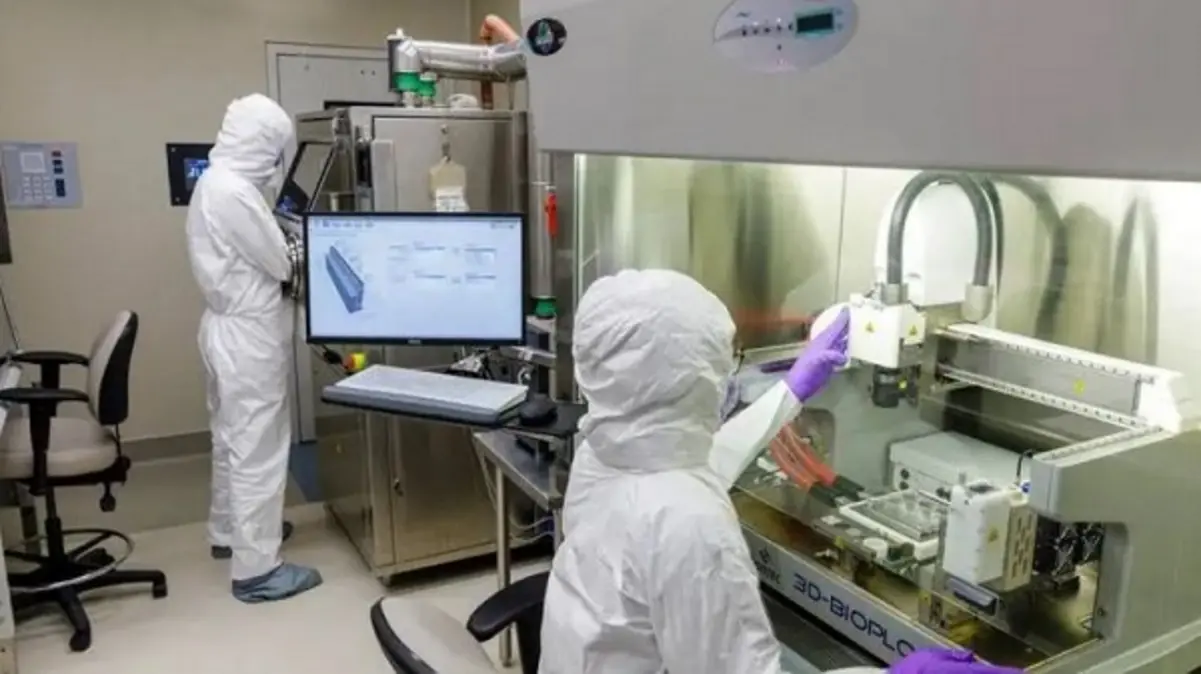
Traditional medical device fabrication and tissue engineering methods mostly involve inert materials or decellularized scaffolds. 3D bioprinting uses living cells as “bio-ink,” deposited layer-by-layer to create structures that mimic natural tissue architectures. These can be tailored to the recipient’s anatomy and, in theory, vascularized organs might eventually be printed for direct transplantation.
Bioprinting of tissues and organs differs from routine device manufacturing in several ways:
- Living Material: Bioprinting uses living human (or sometimes animal) cells, not just synthetics or metals.
- Customization: Every construct may be personalized to the recipient, which complicates mass-production oversight.
- Integration: The end product is meant to integrate with—and sometimes mimic—natural human tissue or organs.
These differences create unique legal and ethical problems not covered by existing regulatory frameworks for either medical devices or biologic products.
Key Bioethical Issues in 3D Bioprinting
Source and Consent for Cells
The choice of cell source is one of the most fundamental ethical questions. Cells may be autologous (from the patient), allogeneic (from another human), or xenogeneic (from animals). Each approach raises:
- Informed Consent: Obtaining valid consent for use of a patient’s or donor’s cells, particularly if these are genetically modified or stored for future use.
- Ownership and Control: Questions about who owns the bioprinted tissue—the cell donor, recipient, or manufacturer—are unresolved.
- Donor Privacy: The use of personal health data and biological samples for customized printing means data security must be built into process design.
- Animal Use: The use of animal-derived cells or scaffolds introduces questions about animal welfare and cross-species disease transmission.
Moral Status of Bioprinted Constructs
A recurring ethical dilemma is whether a 3D-bioprinted tissue or organ should be given the same moral status as a natural body part. For engineered organs with neural or reproductive capacity, this question becomes more acute.
- Enhancement vs. Therapy: If bioprinting is used for human enhancement (improved abilities, not just repair), public acceptability and the line between therapy and “designer modification” are contentious.
- Potential for Abuse: Lack of boundaries can open the door to ethically questionable uses, such as bioprinting body parts solely for research or enhancement.
Safety, Testing, and Clinical Trials
- Long-Term Effects: Little is known about the longevity or integration of bioprinted organs in real patients. There is no long-term safety data.
- Standardized Evaluation: Current clinical trial paradigms, designed for drugs or traditional devices, do not easily fit bioprinted constructs. Each patient-customized product may require unique evaluation protocols.
Justice and Access
- Equitable Access: Will 3D bioprinting widen the gap between well-resourced and underserved populations? Early applications are likely to be costly and available only in select institutions.
- Global Disparities: Countries with less regulatory capacity may become testing grounds for unproven or poorly supervised bioprinting interventions, raising concerns about “medical tourism” and exploitation.
Current Legal and Regulatory Gaps
Lack of Specific Statutory Frameworks
No major jurisdiction has a dedicated regulatory regime or statute specific to 3D bioprinting of tissues or organs. Most countries have patchwork oversight, often adapting existing legislation for drugs, advanced therapies, or medical devices:
- United States (FDA): The FDA’s “leapfrog guidance” covers 3D-printed medical devices, but not those made with living cells. Bioprinted tissues sometimes fall under human cells and tissue-based products (HCT/Ps), but the status is unclear for entire organs. There is no separate bioprinting guidance.
- European Union: The EU classifies some biofabricated products under the Advanced Therapy Medicinal Products (ATMP) Regulation or Medical Device Regulation, but these do not address many unique features of 3D bioprinting processes or constructs. The distinction between device and medicinal product blurs for highly personalized, cell-laden constructs. National legislative developments vary widely.
- Other Regions: Most other jurisdictions are silent or rely on general health and device laws, none of which were designed for the complexity of cellular fabrication.
Unclear Product Classification
A bioprinted heart patch or airway may be difficult to classify:
- As a device (if acellular or acting primarily by physical means)
- As a biologic (if it acts through biological activity)
- Or as an Advanced Therapy (combining living cells with scaffold material)
How a product is classified determines premarket evaluation, postmarket reporting, reimbursement, and liability. Product developers must work with regulators on a case-by-case basis in the absence of clear categories.
Liability and Professional Responsibility
The manufacturing chain in bioprinting can be more diffuse and less transparent than for conventional devices. This raises questions about:
- Who is liable if a bioprinted organ fails or causes harm—the printer manufacturer, material supplier, clinical team, or cell donor?
- Does a hospital that prints an organ in-house assume the legal status of a manufacturer or a healthcare provider?
These liability questions are unresolved and contribute to hesitation among clinicians and hospitals considering 3D bioprinting for patients.
Intellectual Property and Ownership
- Patents and Licensing: The ability to patent bioprinting methodologies, bio-inks, and printer designs is largely accepted, but ownership of specific printed tissues or of patient-specific 3D design data can be contentious.
- Data Protection: The personalized nature of bioprinted constructs requires the collection and sharing of patient health data, often in digital form. Data protection laws (e.g., GDPR in Europe) were not written with this in mind and practical compliance remains a grey area.
Emerging Areas: Transplantability, Enhancement, and Future Standards
Organ Transplantation Challenges
The prospect of transplantable, fully functional 3D-bioprinted organs is still largely experimental. Legal and ethical challenges include:
- Eligibility: Criteria for matching recipients, prioritizing patients, and determining suitability need adaptation for bioprinted products.
- Post-Transplant Surveillance: Tracking patient outcomes and possible long-term complications is technically challenging for uniquely fabricated tissues.
Enhancement, Dual Use, and Societal Impact
3D bioprinting technologies could be used for non-therapeutic enhancements or in ways that blur the lines between treatment and augmentation.
- Regulatory Boundary Setting: There are no international standards clearly defining what is permissible.
- Dual Use Risks: Printed biological constructs could have military, cosmetic, or unethical research applications outside regulated medicine.
Call for Technology-Specific Standards
Most expert analyses now agree that technology-specific, internationally harmonized standards are needed for:
- Defining validated methods for bio-ink testing and quality control
- Ethical sourcing and consent protocols for all biological materials
- Product labeling, traceability, and adverse event reporting
- Standardizing outcome tracking for printed tissue implants
- Educating practitioners and IRBs about unique risks of bioprinting
Such standards will not remove all uncertainty but can give product developers, clinicians, and regulators a common, practical baseline for quality and safety.
What Should Medical Innovators and Researchers Do Now?
- Engage Early with Regulators and Ethics Boards: Do not assume existing device or biologic pathways will apply. Present your process, materials, and intended use early for feedback.
- Design Flexible Consent and Data Protocols: Prepare patient and donor consent forms tailored to both cell sourcing and data use, including storage and future applications.
- Monitor Ethical Developments Internationally: Stay aware of nascent guidelines, position statements, and evolving legislation in all regions where research or marketing is planned.
- Document Material and Process Traceability: Even in the absence of clear regulatory guidance, robust quality system documentation for material origin, process validation, and device tracking is essential for risk management.
Conclusion
The bioethical and legal landscape for 3D bioprinting of human tissues and organs is far from settled. Most practical pathways for clinical application still operate in regulatory grey zones, and unresolved issues around consent, classification, and liability remain. Until coherent legal frameworks and clear international standards emerge, medical device developers must approach bioprinting projects with special care, prioritizing transparency, safety, and ethical caution at each stage of innovation and product realization.