Medical Devices, Quality & Testing, Regulation & Standards
Practical Troubleshooting and Common Failures with Endoscopic Staplers
Updated
Introduction
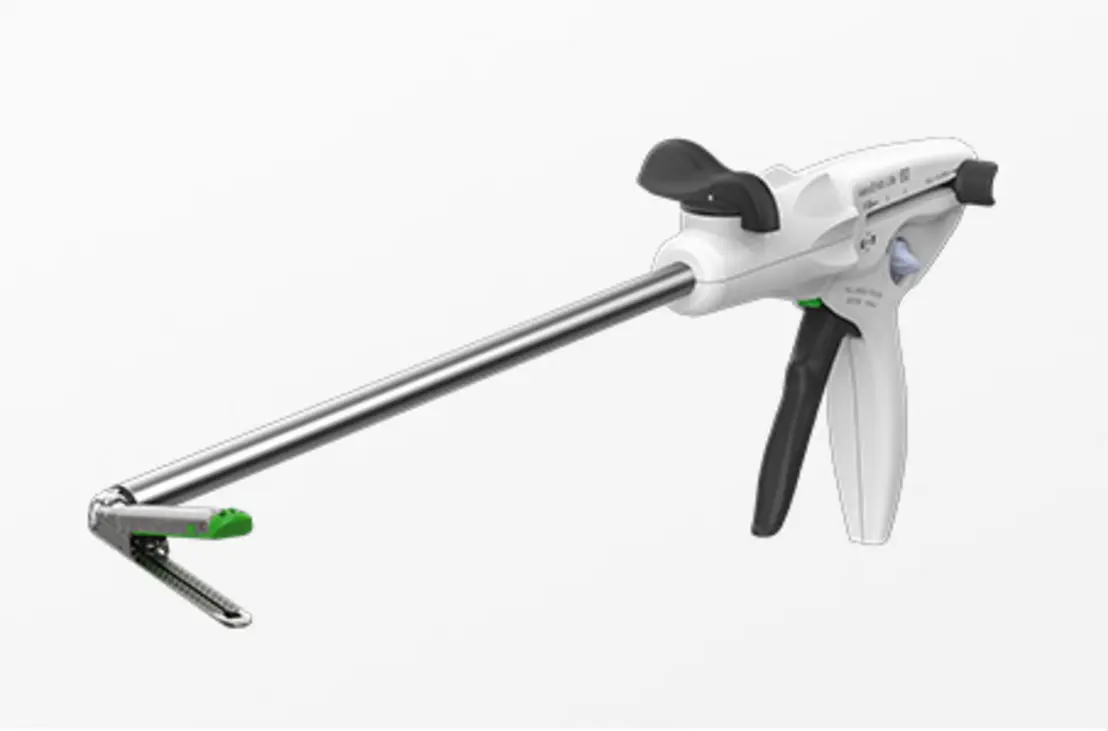
Endoscopic staplers are vital tools in minimally invasive surgeries, enabling fast, precise closure or division of tissues. Yet, device failures like misfires, incomplete staple lines, or mechanical issues can have serious patient consequences ranging from bleeding and leaks to prolonged procedures.
This article identifies the most frequent failure modes of endoscopic staplers, explains likely causes, and provides actionable troubleshooting steps for surgeons and surgical teams.
Why Stapler Problems Matter in the OR
When a stapler fails during laparoscopic or thoracic procedures, it poses significant risks:
- Compromised tissue closure (anastomotic leaks or dehiscence)
- Severe bleeding
- Need for unplanned conversion to open surgery
- Additional interventions and longer anesthesia time
- Higher risk of infection or sepsis
Quick, systematic troubleshooting can prevent escalation and reduce patient harm.
Common Failure Types and Their Practical Responses
1. Stapler Misfire
Description: The stapler does not deploy staples as expected or fails to cut tissue during activation.
Common Causes:
- Incomplete device closure
- Jammed reload/cartridge
- Disengaged safety lock
- Mechanical blockage or internal breakage
Troubleshooting Steps:
- Stop and check the device for locked mechanisms or stuck components.
- Open the stapler jaws if possible—gently retract from tissue to avoid trauma.
- Inspect the reload—look for bent, blocked, or missing staples.
- Check safety position—ensure all safety levers are in the firing position if required.
- Replace both the reload and, if persistent, the entire stapler.
- If tissue is trapped inside the device, do not force removal. Disengage following the manufacturer’s emergency release protocol.
Prevention Tips:
- Always confirm the reload clicks into place and device locks audibly before firing.
- Avoid using excessive force; do not fire through overly thick or calcified tissue.
- Use single-patient, non-expired products; check batch and lot numbers for recalls.
2. Incomplete or Malformed Staple Line
Description: Staples are not fully closed, are misshapen, or fail to form a continuous line, risking leaks or bleeding.
Common Causes:
- Stapler jaws not closed tightly enough
- Using incorrect staple height (wrong cartridge for tissue thickness)
- Reload misalignment
- Damaged or expired staple cartridge
- Jaw clamping on excessive tissue
Troubleshooting Steps:
- Check staple line visually immediately after firing. Look for gaps, separated tissue, or bent staples.
- Clamp or oversew any visible leaks, separated areas, or bleeding points.
- Use another device—do not refire with a misaligned or failed staple line.
- If staple line fails in a critical location (e.g. bowel anastomosis):
- Apply manual sutures to reinforce
- Use hemostatic agents or patches as a stop-gap
- If leak or bleeding persists, consider open conversion
Prevention Tips:
- Confirm correct cartridge height matches tissue thickness and type
- Ensure jaws fully close before firing
- Avoid including foreign material or sutures within closure area
- Do not reuse staple cartridges
3. Tissue Slippage or Escape
Description: Tissue slips out of the stapler jaws before or during firing, causing incomplete stapling or trauma.
Common Causes:
- Inadequate tissue compression prior to firing
- Too much tissue for the jaw aperture
- Device not articulated correctly given surgical angle
- Slippery or very thin tissue (mesentery, friable structures)
Troubleshooting Steps:
- Reposition tissue, ensuring it is well within jaws without overloading
- Clamp in staged fashion—partially close jaws first, observe tissue hold, then fully close
- Switch to handheld/adapted instruments if the stapler cannot reach or grip the target safely
- If tissue has already been partially stapled/cut:
- Secure control of exposed ends with sutures or clips
- Avoid repeated stapling through the same site; risk of tissue necrosis increases with repeated firings
Prevention Tips:
- Assess tissue thickness and fragility before selecting stapler and cartridge size
- Practice device articulation before actual application, especially in confined spaces (pelvis, upper abdomen)
4. Stapler Malposition or Incomplete Closure
Description: Stapler jaws do not fully close or are incorrectly aligned, leading to misapplied staples or incomplete tissue division.
Common Causes:
- Obstructions (sutures, foreign bodies) stuck in jaws
- Limited space—difficult tissue angles in pelvis or thorax
- Poor visualization during application
- Operator unfamiliarity with device mechanics
Troubleshooting Steps:
- Pause and assess visual field—clear any foreign objects from the planned stapling site
- Reopen jaws and reposition, ensuring clean, perpendicular contact with the tissue
- If unable to align due to spatial constraints:
- Switch to a different stapler model or manual device
- Enlarge access site if necessary
- Consider alternative closure (sutures)
Prevention Tips:
- Pre-plan tissue division site and instrument approach
- Familiarize team members with device-specific closure requirements (closure indicators, tactile/audible cues)
- Maintain clear communication in tight operative fields
5. Mechanical Failure (Lockup, Jamming, Device Defect)
Description: Stapler cannot open or close, is stuck in position, or handle jams. Often occurs after repeated use or with damaged devices.
Common Causes:
- Internal spring/mechanism fatigue
- Use of damaged, dropped, or previously jammed devices
- Misloaded cartridges or incompatible reloads
- Manufacturing defects (sometimes subject to product recalls)
Troubleshooting Steps:
- Attempt device release according to manufacturer instructions (may include emergency release lever)
- If unable to disengage:
- Carefully cut or dissect tissue away from jaws under direct vision
- Remove device with jaws in place if safe (as last resort)
- Do not force the stapler—risk of abrupt jaw opening and tissue injury
- Replace device as soon as possible and complete procedure with backup instrument.
Prevention Tips:
- Conduct a visual and functional check of each stapler before use
- Do not use visibly damaged or previously problematic instruments
- Track and remove recalled or outdated products from inventory
Difficult Cases: Special Scenarios in the OR
Thick, Edematous, or Fibrotic Tissue
- Use cartridge width rated for thick tissue—do not attempt to staple thickened, inflamed bowel with vascular (thin tissue) cartridges
- Consider hand-sewn reinforcement for high-risk sites
Poor Surgical Access
- Utilize articulating staplers or instruments with slim jaws for pelvis, retroperitoneum, or deep chest
- Gently mobilize adjacent tissue as needed to optimize access (avoid forceful traction)
Unexpected Staple Line Bleeding
- Apply gentle pressure initially to localize bleeding
- Place additional interrupted sutures or hemostatic agents on actively bleeding sites
- Assess hemodynamic status promptly; convert to open approach if bleeding is not controlled rapidly
Risk Reduction and Preventive Protocols
| Step | Purpose |
|---|---|
| Check device lot/expiry and function | Prevent use of faulty or recalled products |
| Team briefing on technique | Reduce operator error and miscommunication |
| Confirm cartridge/tissue compatibility | Prevent incomplete staple lines/malformations |
| Backup instruments available | Allow rapid substitution if device fails |
| Immediate visual inspection of staple line | Early detection of leaks or malformations |
Regulatory and Reporting Responsibilities
- Know local and national reporting requirements for medical device failures.
- Remove malfunctioning staplers from clinical use after an incident; report according to established channels (hospital, manufacturer, regulatory agency).
- Monitor updates from regulatory bodies (FDA, Health Canada, etc.) about recalls or new failure modes.
Summary Table: Troubleshooting at a Glance
| Issue | Immediate Steps | Prevention |
|---|---|---|
| Misfire/Failure to fire | Check safety, reload, replace device | Confirm device closure, load fit |
| Incomplete staple formation | Inspect line, reinforce/suture if needed | Correct cartridge/tissue match |
| Tissue slippage/escape | Reposition, partial close, reattempt | Adequate jaw load, staged closure |
| Malposition/misalignment | Reopen, reposition, clear obstructions | Good visualization, plan access |
| Jammed or stuck device | Attempt release, dissect as needed | Inspect tools, avoid damaged items |
Conclusion
Device failures with endoscopic staplers are uncommon but can have severe consequences. Teams should be thoroughly familiar with device mechanics, routinely check equipment, and follow clear protocols for troubleshooting.
Systematic troubleshooting—starting with device checks and moving through visualization, tissue management, and emergency backup—keeps surgical risks to a minimum. Quick identification and response to typical failure types protects the patient, streamlines the procedure, and improves outcomes.