Medical Devices, Materials, Manufacturing, Quality & Testing, Regulation & Standards
Key Updates and Challenges in Implementing ISO 11135 for EO Sterilization
Updated
Introduction
Ethylene oxide (EO) sterilization remains essential for many medical devices, particularly those sensitive to heat or moisture. However, regulatory expectations for EO sterilization have tightened, especially with updates to ISO 11135 (validation and control of EO sterilization processes) and ISO 10993-7 (acceptable EO residuals). Device manufacturers must now demonstrate both consistent sterilization and compliance with new, more stringent EO and byproduct limits. This article summarizes the most recent changes, their practical effects, and the main challenges manufacturers face in adapting EO sterilization processes to meet current regulatory standards.
What Has Changed in ISO 11135 and ISO 10993-7?
ISO 11135: Recent Revisions and Process Validation
The core global standard for EO sterilization, ISO 11135:2014, has consolidated prior editions (ISO 11135-1:2007, ISO/TS 11135-2:2008) and added further clarifications through recent amendments. The standard is widely adopted and recognized by regulators (including FDA and EU Notified Bodies), and sets out the requirements for:
- Designing and validating the sterilization process
- Routine process control
- Documentation and traceability
Key requirements include:
- Use of a qualified, validated sterilization cycle for each combination of device, packaging, and load configuration
- Reliance on biological indicators (BIs), process challenge devices (PCDs) and physical monitoring—not sole reliance on chemical indicators—to prove the sterilization cycle is effective
- Comprehensive documentation, including approved validation protocols before any testing
- Characterization of all process equipment, with defined acceptance criteria
- Regular requalification (typically annual) or whenever significant changes occur
Updates have clarified roles and responsibilities, especially emphasizing the manufacturer’s ownership of the entire validation and documentation process, regardless of whether sterilization is outsourced.
ISO 10993-7: Stricter EO and Byproduct Residual Limits
ISO 10993-7 covers the biological evaluation of medical devices as related to EO and its reaction byproducts (notably ethylene chlorohydrin, ECH). The 2026 revision has set lower residual limits, reflecting better toxicological understanding and increased regulatory scrutiny.
Devices are split into three exposure categories:
| Category | Patient Contact Duration | EO (max/device) | ECH (max/device) |
|---|---|---|---|
| Limited Contact | ≤24 hours | 4.0 mg | 9.0 mg |
| Prolonged Contact | >24 h – 30 days | 2.0 mg/day | 2.0 mg/day |
| Permanent Contact | >30 days (implant) | 2.5 mg lifetime | 2.5 mg lifetime |
These new thresholds require device manufacturers to have more robust and sometimes extended aeration (degassing) steps and to test EO/ECH levels more frequently as part of product release. Material selection is now more important, as some polymers retain EO longer and complicate compliance.
Process Validation: What Is Now Required?
Validation is not a one-off event but an ongoing lifecycle activity. ISO 11135 sets a multi-phase approach:
1. Process Definition and Pre-Validation
- Clearly describe each product and packaging system to be sterilized.
- Confirm packaging allows adequate EO penetration and post-sterilization aeration.
- Characterize initial bioburden for validation and routine monitoring.
2. Validation Protocol
- Protocols and acceptance criteria must be approved before any study is executed.
- Define all critical process variables (temperature, RH, EO concentration, dwell time, etc.).
- Load mapping: Use sensors throughout a full operational load to confirm that all areas reach and maintain suitable temperature and humidity.
3. Microbiological Validation and Overkill Approach
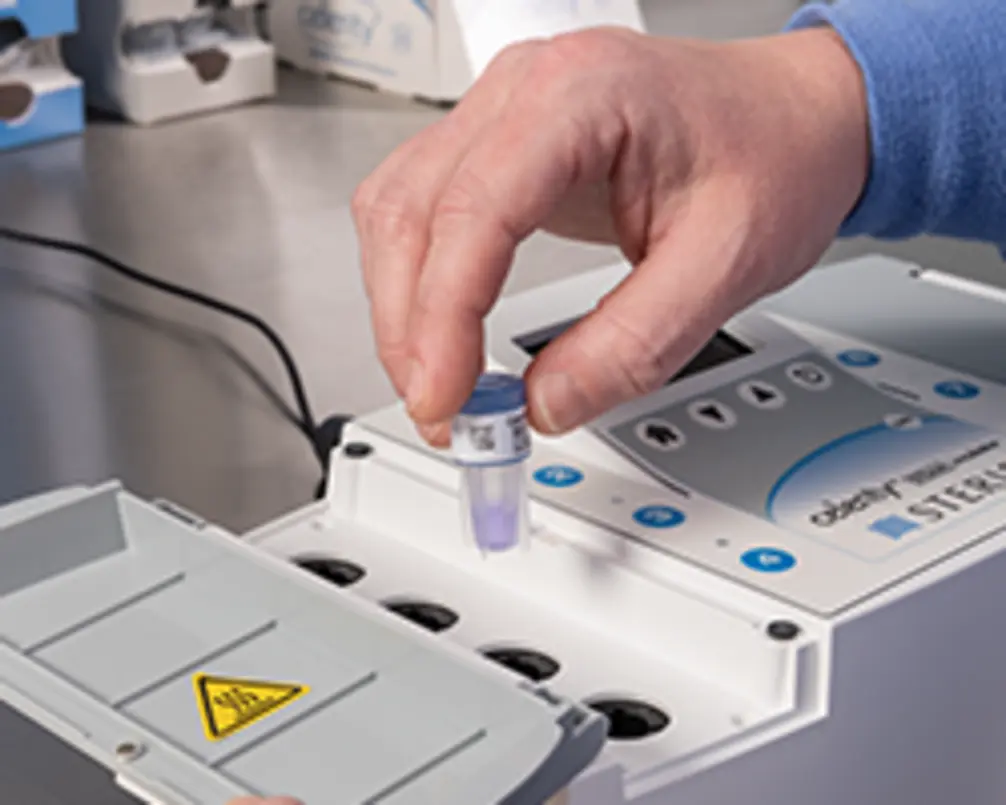
- Place biological indicators—typically spores of Bacillus atrophaeus—inside process challenge devices (PCDs) at the cold spots or most difficult-to-sterilize locations.
- Conduct half-cycle validation: expose product to half the routine EO exposure time, aiming for zero surviving BIs.
- Demonstrate that the native bioburden is less resistant than the BI/PCD system, validating that 10^-6 sterility assurance level (SAL) is consistently achieved.
- Repeat validation for different product configurations and packaging if needed.
4. Physical and Chemical Process Qualification
- Monitor and document EO concentration, chamber pressure, temperature, and RH for every run.
- Validate the aeration phase, confirming effective dissipation of EO and ECH.
- Perform chemical residual testing in accordance with ISO 10993-7 category.
5. Ongoing Monitoring and Requalification
- Annual revalidation or after any change affecting the process (e.g., product, packaging, equipment, suppliers, or load density).
- Periodic bioburden audits, process parameter checks, and release documentation.
- Full traceability of validation and process control records.
EO Residuals and Aeration: Meeting Stricter Standards
Meeting lowered EO and ECH residuals is a significant challenge for many manufacturers. Even small changes to the device material, packaging, or process variables can affect EO absorption and desorption. Key steps include:
- Aeration optimization: Increase aeration time and temperature to remove more EO. Forced-air systems are increasingly used.
- Material selection: Prefer polymers with proven rapid EO off-gassing profiles; avoid soft PVCs and multilayer structures that retain EO unless essential.
- Routine testing: Use validated analytical methods (e.g., GC/MS) to quantify EO and ECH on product and packaging at release. Schedule retesting if storage or shipping conditions vary.
- Batch release controls: No lot is released until EO/ECH values are documented as below the applicable ISO 10993-7 limit.
Annex E Amendments: Single Batch Release and Development Batches
A recent amendment updates ISO 11135’s Annex E, especially relevant for non-routine batches (e.g., clinical trial lots, new product development). The single batch release process now includes:
- Exposing PCDs with BIs and physical sensors in the batch
- Running a half-cycle with sterility testing
- Assessing EO residues after both half-cycle and full routine cycle exposure
- Clear criteria for release: sterility, functional integrity, and EO/ECH compliance
If clinical batches cannot align with routine production validation, single batch release must follow strict protocols and cannot substitute for a full process validation prior to commercialization.
Main Implementation Challenges for Manufacturers
1. Increased Validation Workload
Lower EO/ECH limits and stricter validation steps mean more analytical testing, longer aeration, and potentially additional validation cycles when product or process changes. For manufacturers with a broad SKU range, grouping products for validation is more complex, making process family definitions critical.
2. Material and Design Constraints
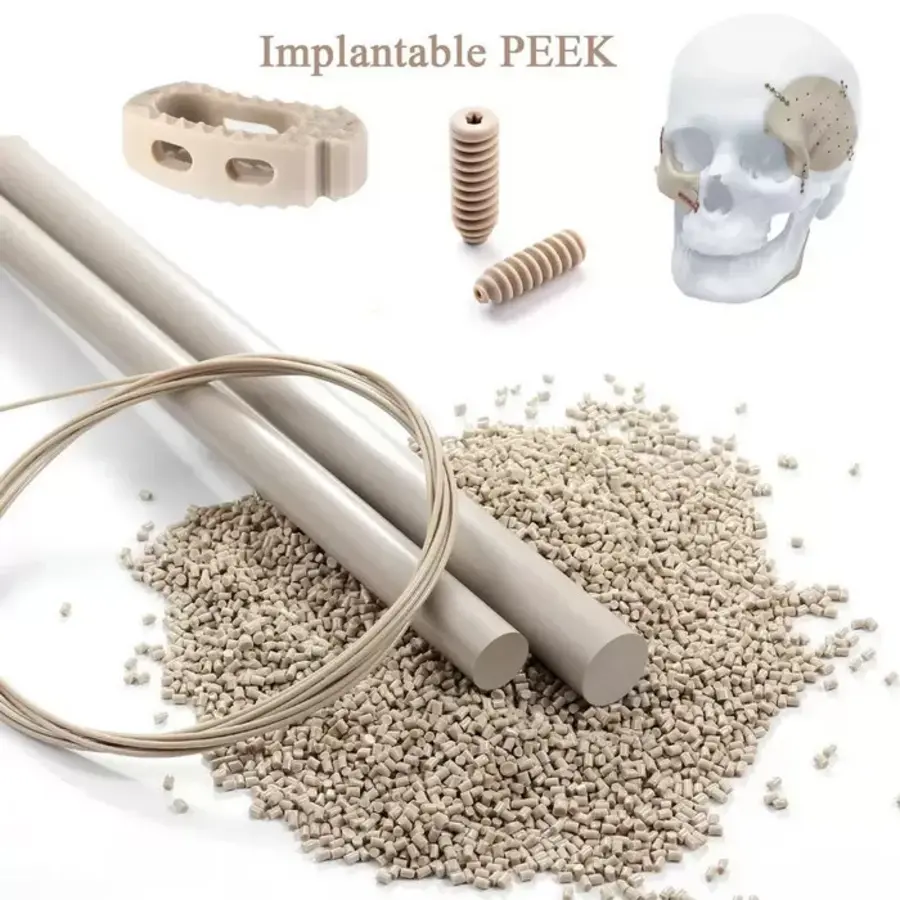
Some high-performance polymers and device designs resist rapid EO off-gassing. Manufacturers may need to revisit material selection, product geometry, or packaging permeability early in design to ensure processes are practical and compliant.
3. Process Documentation and Ownership
The updated standards expect manufacturers—not just sterilization contractors—to take full ownership of documentation, process parameter approval, and final release decisions. This requires close integration between QA, R&D, purchasing, and contract sterilizers.
4. Regulatory Transition and Ongoing Audits
New limits and protocol requirements are not always harmonized globally or reflected immediately in every regulator’s checklist. This can result in parallel compliance streams during transition periods, especially for devices marketed in both US and EU. Annual process review and revalidation are now a regulatory expectation.
Practical Consequences for Process Design and Control
- Early sterilization involvement in design: Device and packaging designers should consult sterilization engineers before finalizing materials and geometry.
- Routine process review: Schedule recurring validation reviews and audits to preempt bioburden, load, or chamber changes that might affect sterility assurance or residuals.
- Batch-level traceability: Manufacturers must keep complete records at batch level, including process maps, BI/PCD locations, parameter logs, and residual test results for each batch or load.
- Supplier qualification: Confirm that contract sterilization partners have up-to-date validations for each relevant process and device family—do not rely solely on certificates of sterilization.
- Change control: Any changes to process, device, or suppliers that could impact EO absorption, bioburden, or process delivery must trigger protocol review and possible revalidation.
Conclusion
The updated ISO 11135 and ISO 10993-7 standards raise the bar for process validation, EO/ECH residue control, and documentation in EO sterilization. While these changes increase the burden on medical device manufacturers, they improve patient safety by reducing the risk of EO-related irritation or toxicity. Early collaboration across design, materials engineering, and sterilization teams is now critical to maintain compliance without excessive cost or delay.