Materials, Manufacturing, Quality & Testing, Regulation & Standards
Photopolymer Resin 3D Printing Safety: Skin Sensitization, Cleanup, Ventilation, and Post-Curing
Updated
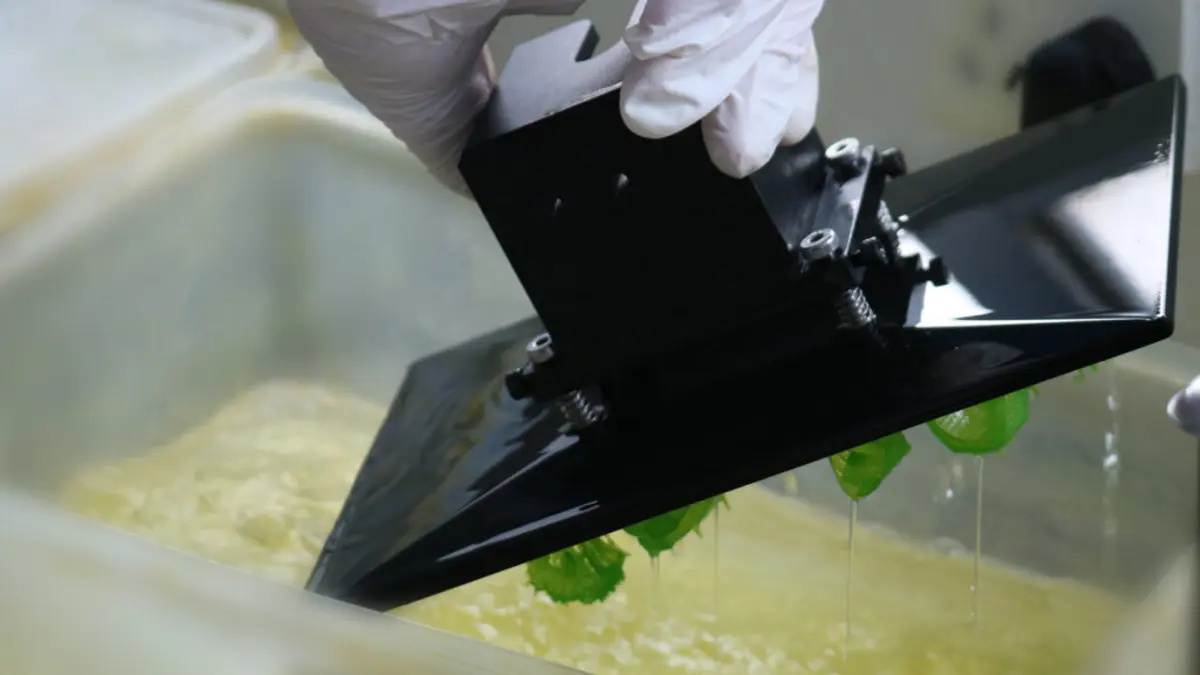
Liquid photopolymer resin deserves the same routine discipline as other reactive shop chemicals. The main exposure risk is not a finished, properly post-cured print sitting on a bench. It is the uncured resin in bottles and vats, residue on fresh parts, contaminated wash liquid, and resin transferred to gloves, tools, clothing, or work surfaces.
A safe workflow separates clean and dirty tasks, prevents skin contact, captures resin-containing waste, and follows the instructions for the exact resin, wash medium, printer, and curing unit in use. That matters in a hobby setup and even more in a production or medical-device development environment, where repeated handling can turn minor shortcuts into routine exposure.
Start with the resin SDS and process instructions
Photopolymer resins are not one material class with one universal hazard profile. Formulations may contain reactive acrylates or methacrylates, oligomers, photoinitiators, pigments, fillers, and performance modifiers. Their hazard classifications, recommended gloves, respiratory controls, wash media, curing conditions, storage temperatures, and disposal requirements can differ.
Before opening a new material, obtain the current safety data sheet (SDS) and the supplier’s technical instructions. Review these points:
- Hazard statements, especially skin sensitization, skin or eye irritation, respiratory hazards, and aquatic toxicity.
- Required PPE and whether a respirator is specified for the material or process.
- Approved wash liquid and any restrictions on wash time.
- Required post-cure equipment, time, temperature, and orientation.
- Storage conditions and shelf-life requirements.
- Disposal instructions for liquid resin, failed prints, filters, wipes, wash fluid, and empty containers.
Do not assume that labels such as “low odor,” “plant-based,” “water-washable,” or “biocompatible” remove normal handling controls. These terms can describe a formulation feature or a validated use case; they do not mean that uncured material is safe to touch.
For regulated medical-device work, material selection and print safety are separate questions. A resin marketed for a medical or dental application is only appropriate within its specified indication, validated process, and post-processing conditions. A fully cured general-purpose resin is not automatically biocompatible, suitable for patient contact, sterilizable, or compliant for a medical application.
Why skin sensitization is the exposure to prevent
Uncured resin can irritate skin and eyes. More importantly, repeated contact with sensitizing ingredients can lead to allergic contact dermatitis. Sensitization is an immune response: a person may have no visible reaction during early exposures, then develop a stronger response after later contact. Once established, sensitivity to related acrylates or methacrylates may make future work with certain coatings, adhesives, dental materials, or other products more difficult.
The practical rule is simple: do not use bare hands to touch liquid resin, unwashed prints, resin-soiled build plates, contaminated tools, or used wash liquid.
A print that has just completed is not yet a clean solid part. Its surface can retain liquid resin, including in holes, lattice features, support interfaces, recessed lettering, and internal channels. Handle it as an uncured-resin item until it has been washed, dried, and post-cured according to the material instructions.
PPE for routine resin work
For most handling tasks, establish a dedicated PPE station beside the printer and post-processing area.
| Task | Minimum practical protection | Key point |
|---|---|---|
| Filling a vat or changing a cartridge | Chemical-resistant gloves, splash-resistant eye protection | Use a drip tray and keep bottle threads clean. |
| Removing a build plate or fresh print | Gloves, eye protection, protective clothing as needed | Keep contaminated gloves away from printer controls and door handles. |
| Washing, support removal, and spill cleanup | Gloves, eye protection; face shield if splash risk is high | These tasks often create the greatest direct-contact risk. |
| Sanding or machining cured parts | Eye protection and suitable dust control | Cured resin dust is a separate particulate exposure concern. |
| Operating a UV curing unit | Follow equipment eye-protection and enclosure requirements | Do not bypass covers, interlocks, or shielding. |
Use gloves compatible with the resin and cleaning chemicals. Nitrile or neoprene gloves are commonly used for photopolymer work, while latex gloves are generally not a suitable default for reactive resin handling. Select glove material, thickness, and change frequency from the SDS and workplace assessment. Change gloves promptly if resin gets on them, if they tear, or before touching clean equipment.
Gloves are not a license to spread contamination. Designate clean-touch items such as keyboards, phones, cabinet handles, and printer touchscreens. Remove gloves before using them, or use a clean outer glove only for the brief task.
Wear safety glasses or chemical splash goggles whenever splashing is possible. A face shield can add protection during pouring, pressure washing, aggressive support removal, or large spill response, but it does not replace eye protection.
If resin contacts skin, remove contaminated gloves or clothing and wash the affected area promptly with soap and plenty of water. Do not use IPA, acetone, or other solvents on skin; solvents can dry and damage skin and may increase uptake of some chemicals. Follow the resin SDS for first aid and seek medical advice if irritation, rash, or other symptoms develop. For eye exposure, flush immediately with water and obtain urgent medical evaluation as directed by the SDS.
Ventilation: control exposure at the source
Odor is not a reliable measure of chemical risk. Some components can be smelled at very low levels, while other potentially relevant exposures may have little odor. Conversely, a strong smell does not identify the chemical or prove that a particular exposure limit has been exceeded.
The preferred control is ventilation that captures emissions near the printer, wash station, and open containers and exhausts them outdoors where permitted. A printer enclosure connected to suitable local exhaust can help contain emissions when designed so air moves into the enclosure rather than into the room.
A practical setup should include:
- A dedicated printing and post-processing area, away from food preparation, eating, and everyday living spaces.
- Outdoor exhaust or local extraction where feasible, with make-up air so the exhaust system can work properly.
- Closed printer covers, wash tanks, resin bottles, and waste containers whenever they are not actively in use.
- Minimal open-vat and open-wash time.
- A workflow that avoids carrying wet prints through offices, corridors, or shared rooms.
Carbon filters can reduce odors or some vapors, but they are not a substitute for source capture and outdoor exhaust. Their effectiveness depends on the compounds present, airflow, filter mass, saturation, and maintenance. Treat them as supplementary controls unless an exposure assessment shows otherwise.
A disposable dust mask does not protect against organic vapors. If the SDS or risk assessment calls for respiratory protection, choose a properly selected and fitted respirator with cartridges appropriate for the identified hazard, and manage it under the applicable workplace respiratory-protection program. Respirators should not be used to compensate for poor housekeeping or inadequate ventilation.
Set up a contained printing and cleanup workflow
Good process design reduces both exposure and cleaning time. Keep one area for uncured resin activities and another for finished parts. Line the handling area with a reusable chemical-resistant tray or disposable absorbent bench protector that can be managed as contaminated waste.
A workable sequence is:
- Inspect the vat, bottle, cartridge, and seals before use.
- Pour or load resin over a secondary containment tray.
- Keep a labeled container ready for contaminated wipes, filters, supports, and failed prints.
- Let the build plate or finished print drain in the printer or over the vat where the equipment instructions allow.
- Move parts directly to the first wash container without setting them on unprotected surfaces.
- Wash, inspect, dry, then post-cure.
- Clean tools and work surfaces before removing PPE and leaving the area.
Do not refill a clean resin bottle with used resin unless the supplier explicitly allows it and the operation has controls for filtering, traceability, and contamination. In production, segregate materials by resin type, lot, color, and intended use. A small amount of the wrong resin, solvent, or debris can affect print quality and may invalidate a controlled process.
Washing parts without creating a larger waste problem
Washing removes liquid surface residue; it does not make resin disappear. The rinse liquid becomes contaminated and must be treated as a resin-containing waste stream.
For conventional resins, the supplier may specify IPA, ethanol, a proprietary wash solution, or another compatible liquid. Water-washable resin is formulated so water can be an approved cleaning medium, but its uncured residue is still hazardous. “Water-washable” does not mean drain-safe.
Use a two-stage wash where practical. The first, dirtier bath removes most surface resin. The second, cleaner bath improves the final rinse and extends the useful life of the clean bath. Agitate as needed to reach channels and fine details, but avoid overly aggressive washing that damages delicate features or creates splashes.
Use the resin supplier’s washing time as the starting point. Geometry, support density, feature depth, wash method, and fluid condition all affect results. Long soaking is not automatically safer or better. It can degrade some parts, trap fluid in cavities, or leave insufficiently cleaned surfaces if the wash liquid is already heavily loaded.
After washing, inspect holes, channels, recesses, and support contact areas. Dry the part completely before post-curing. Residual water or solvent in enclosed features can interfere with a uniform cure and may remain trapped inside the part.
Post-curing: when can a printed part be handled without gloves?
A washed part is cleaner, but it may not yet have achieved its intended final conversion or mechanical properties. Post-curing exposes the material to the required light spectrum and, for some materials, controlled heat. It reduces residual uncured species and helps the part reach the properties described in the technical data sheet.
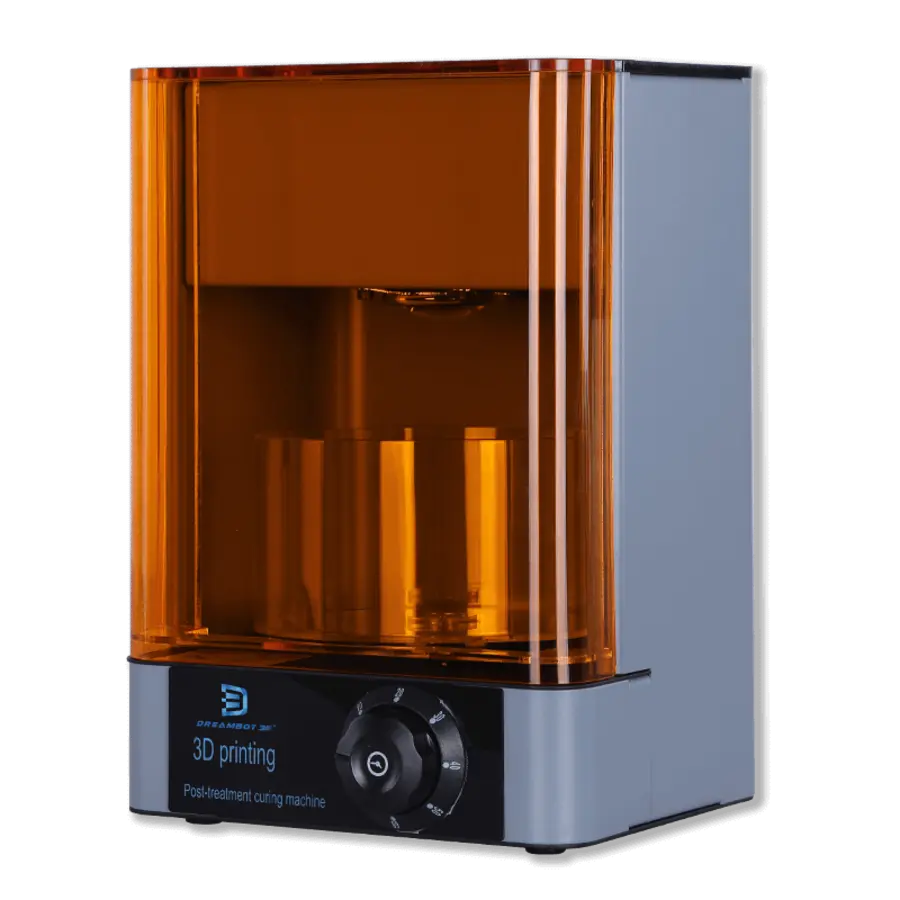
Follow the resin-specific instructions for cure time, light wavelength, temperature, part orientation, and any water or inert-gas environment. A generic UV lamp or leaving a part in sunlight may be useful for curing certain waste materials, but it is not a substitute for a validated post-cure process when part properties matter.
Treat a part as ready for normal bare-hand handling only after it has been thoroughly washed, fully dried, and post-cured according to the supplier’s instructions. If the surface remains tacky, oily, visibly stained with liquid resin, or has an unusual uncured-resin odor, return it to controlled cleaning and inspection rather than assuming extra UV exposure alone will solve the problem.
For medical, dental, or other controlled applications, document the actual wash and cure parameters. “Looks cured” is not a release criterion. The validated process should define acceptance criteria, equipment settings, batch records, and any required verification of cleaning or cure state.
Spill control and resin waste disposal
Prepare for spills before starting work. Keep absorbent pads or disposable towels, a scraper, a sealable waste container, clean gloves, and the SDS accessible. For a small spill, restrict access, put on appropriate PPE, absorb the liquid, and place the cleanup materials in a labeled container for controlled disposal. Clean the remaining surface using the method specified for the resin and cleaning chemical.
Avoid washing uncured resin into sinks, toilets, floor drains, storm drains, or soil. The same rule applies to water from water-washable resin and to IPA or other wash fluid. These liquids can contain reactive resin components and may present an aquatic hazard.
Segregate and label these waste streams:
- Liquid resin left in bottles, vats, or failed prints.
- Contaminated IPA, ethanol, wash solution, or water.
- Settled resin solids, filters, wipes, gloves, and absorbents.
- Empty containers with visible or liquid residue.
Some operations expose small quantities of waste resin to UV light to solidify it before disposal. This may be appropriate only where the resin SDS and local waste rules permit it. Curing can reduce the amount of liquid reactive resin, but it does not automatically make every item acceptable for general trash, especially where solvents, uncured residue, pigments, or large volumes are involved. Local household hazardous-waste programs or licensed waste contractors may be required.
Keep flammable solvents in suitable containers, away from ignition sources, and manage them under fire-safety requirements. Never cure solvent-rich waste in a poorly ventilated enclosed space.
Make safety part of the production process
The most effective resin safety practice is a repeatable workflow, not a single item of PPE. Keep resin contained, prevent skin contact, ventilate at the source, keep clean and dirty tasks separate, and treat all wash liquid as captured waste. Then wash, dry, and post-cure every part using the parameters for that material.
When the process is organized this way, operators spend less time responding to drips, odors, and contamination—and more time producing parts with consistent surface quality and controlled material performance.