Materials, Medical Devices, Design & Development, Quality & Testing
Polyurethane Elastomer Degradation in Medical Devices: Failure Mechanisms and Stabilization Strategies
Updated
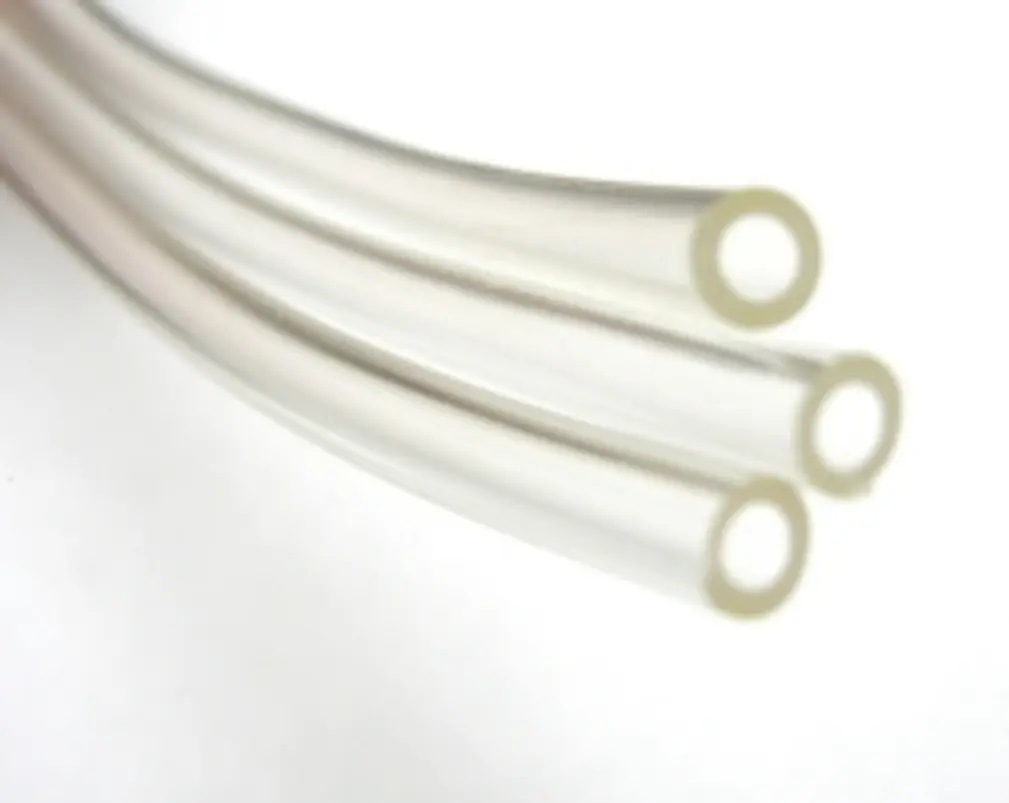
Polyurethane elastomers are used where a medical device needs flexibility, toughness, abrasion resistance, or a soft feel without relying on migrating plasticizers. They appear in tubing, catheter components, seals, wound-care products, housings, coatings, and implantable devices.
Their versatility comes with a design constraint: polyurethane is not one material with one ageing profile. Its resistance to water, oxygen, heat, light, disinfectants, sterilization, and the in vivo environment depends on its chemical building blocks, morphology, additives, processing history, and device geometry. A material that performs well in a short-term external tube may not be suitable for a long-term blood-contacting implant.
What degradation looks like in a polyurethane device
Polyurethane elastomer degradation in medical devices usually becomes visible as a change in function before it becomes an obvious fracture. Common warning signs include:
- Increased hardness, stiffness, or permanent set
- Loss of tensile strength, elongation, tear resistance, or burst resistance
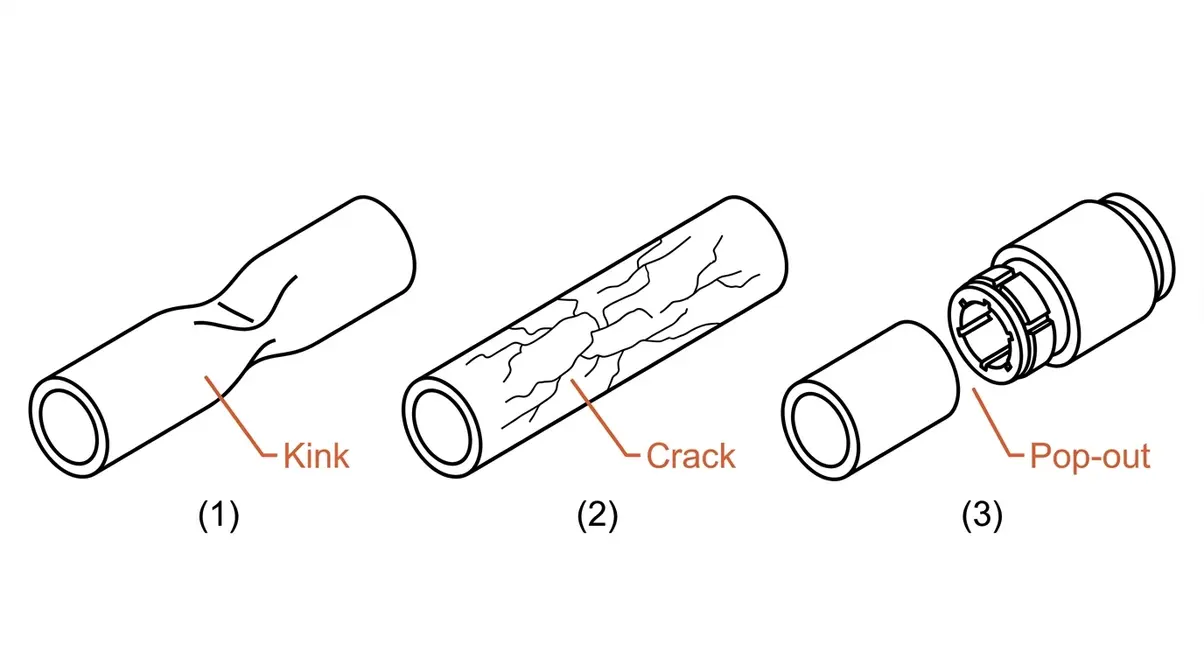
- Surface crazing, cracking, peeling, or pitting
- Tackiness, embrittlement, swelling, or distortion
- Yellowing or other color change
- Loss of coating adhesion or delamination
- Changed friction, flex life, or catheter trackability
- Particle generation from an eroding surface
The same exposure can produce different outcomes. Oxidation may cause chain scission, which lowers molecular weight and can make the material weak and brittle. It can also create additional links between chains in some systems, producing hardening and reduced elongation. Water absorption may temporarily soften a polymer, while longer exposure can cause irreversible hydrolysis in susceptible chemistries.
For this reason, visual inspection alone is not an adequate ageing assessment. A surface can look acceptable while tensile, fatigue, or stress-crack performance has already declined.
Why polyurethane chemistry matters
Most medical polyurethanes are segmented polymers. Their flexible soft segments provide elasticity, while hard segments formed from isocyanate and chain-extender chemistry contribute strength, physical crosslinks, and resistance to deformation. The size, compatibility, and phase separation of these segments affect both mechanical performance and chemical stability.
The soft-segment chemistry is often the first selection decision for durability.
| Polyurethane family | Main ageing concern | Typical design implication |
|---|---|---|
| Polyester polyurethane | Hydrolytic cleavage of ester groups | Avoid for prolonged warm, wet service unless degradation is intended or thoroughly controlled |
| Polyether polyurethane | Oxidative attack, particularly in biological environments | Often selected for better hydrolytic stability, but requires oxidation assessment |
| Polycarbonate polyurethane | Balance of hydrolytic and oxidative resistance can be favorable | Often considered for demanding long-term applications, subject to formulation-specific verification |
| Silicone- or hydrocarbon-modified polyurethane | Stability depends on the specific architecture and blend | Can improve resistance to selected degradation routes but may change processing, bonding, and mechanical behavior |
This table is a starting point, not a qualification decision. A resin family name does not establish long-term stability, biocompatibility, sterilization compatibility, or suitability for a particular anatomical location.
The main failure mechanisms
Hydrolysis: water attacks susceptible bonds
Hydrolysis is the cleavage of chemical bonds by water. It is especially important for polyester-based polyurethane soft segments because ester groups are vulnerable to aqueous attack. Heat, humidity, acidic or alkaline conditions, and prolonged fluid exposure can accelerate the process.
As chains are cleaved, the material can lose molecular weight and mechanical integrity. In a tubing or balloon application, that may show up as lower burst strength, cracking at bends, or loss of dimensional control. In a coating, it can appear as erosion, roughness, or reduced adhesion.
A common mistake is to describe a polyurethane simply as “water resistant.” Water uptake, hydrolytic stability, and resistance to a particular saline, drug, cleaning fluid, or body fluid are separate questions. Evaluate the actual formulation in the actual exposure medium, including temperature and time.
Oxidation: oxygen and reactive species change the polymer
Oxidative degradation can occur during high-temperature processing and storage, but it is particularly important for implanted devices. In vivo, reactive oxygen species associated with inflammatory and cellular activity can attack susceptible parts of the polymer. Polyether-based materials, although more resistant to hydrolysis than many polyester systems, can be vulnerable to oxidative attack.
Oxidation commonly begins at or near the surface because that is where oxidizing species first contact the material. Surface cracking can then propagate under cyclic load. This is one reason an implant that appears mechanically robust in a simple dry tensile test may perform poorly after combined oxidative and mechanical exposure.
Formulation details matter. Residual catalysts, trace metals, pigments, processing contamination, and incompatible additives can affect oxidation behavior. The antioxidant package may help, but it must remain effective after compounding, molding or extrusion, sterilization, and the intended storage period.
Thermal ageing: processing damage and service heat
Polyurethanes can be damaged by excessive melt temperature, long residence time, poor drying, or repeated thermal histories. Thermal degradation may involve changes in urethane linkages, oxidation, volatilization, discoloration, and molecular-weight reduction. Severe thermal decomposition is distinct from ordinary service ageing, but suboptimal processing can leave a material more vulnerable to later failure.
For thermoplastic polyurethane processing, control resin drying, barrel temperature profile, residence time, melt temperature, and regrind use. Yellowing, gels, bubbles, odor, or unusual melt behavior should trigger a process investigation rather than being treated as only an appearance issue.
Light, UV, and ozone exposure
UV radiation can initiate photo-oxidation, producing discoloration, surface embrittlement, and cracking. Aromatic polyurethane structures are generally more prone to yellowing than aliphatic systems. This can matter for transparent or white external devices, packaging-visible components, and products exposed to clinical lighting or sunlight during transport and storage.
Ozone can also attack elastomeric materials, especially under strain. While ozone is less relevant to many packaged, indoor medical devices, it should be considered for products stored near ozone-generating equipment or used in environments with elevated ozone exposure.
Use opaque packaging, UV-screening materials, or suitable stabilizers where light exposure is credible. Do not assume that a colorant alone provides meaningful UV protection without supporting data.
Environmental stress cracking and fatigue
Environmental stress cracking occurs when tensile stress and a chemically active environment act together. The stress may come from repeated flexing, pressure, assembly interference, sharp radii, residual molding stress, bonding, or a poorly supported transition between components.
The active chemical does not need to dissolve the polyurethane. A cleaning agent, drug vehicle, lipid, adhesive component, disinfectant, or absorbed fluid can reduce local resistance to crack initiation and growth. Cracks often start at notches, weld lines, molded-in defects, surface damage, or highly strained regions.
Cyclic loading makes this more serious. A catheter shaft, pump diaphragm, lead insulation, or valve component can fail through fatigue after many small strain cycles, even if its initial tensile strength meets specification. Design features such as wall transitions, sharp corners, concentrated bending points, and insufficient strain relief often determine where failure begins.
Biological and enzymatic effects
For implanted polyurethane devices, ageing is not only a water-immersion problem. The biological environment can combine water, ions, proteins, lipids, enzymes, inflammatory cells, mechanical loading, and reactive species. In some applications, calcification or deposited biological material can further alter surface behavior and local stresses.
The relevant question is therefore not whether a polyurethane is generally “biostable.” It is whether the finished device retains the required mechanical, chemical, and surface properties for its intended contact type, anatomical location, and duration of use.
Stabilization starts with the intended environment
The most effective stabilization strategy is selecting a chemistry that resists the dominant failure mechanism. Additives and coatings can extend performance, but they rarely compensate for a fundamentally unsuitable base polymer.
Match polymer family to the main exposure
For long exposure to warm aqueous fluids, hydrolytic stability should be a primary screen. Where oxidative biological exposure is expected, evaluate oxidative stability directly rather than relying on water-immersion data. For external devices, consider light, heat, cleaning chemicals, and shelf-life storage conditions.
A useful early design input is an exposure map that records:
- Contact medium, including drugs, disinfectants, lipids, and cleaning agents
- Temperature range and duration
- Mechanical loading mode: tension, flexing, torsion, compression, or pressure cycling
- Expected strain concentration points
- Sterilization method and number of sterilization cycles
- Packaging atmosphere, light exposure, and storage duration
- Whether the device is temporary, reusable, or long-term implanted
This map prevents a common development failure: qualifying the resin against one environment while the finished device sees several combined exposures.
Use stabilizers as a controlled formulation system
Antioxidants, UV absorbers, hindered amine light stabilizers, pigments, and other stabilizing additives may improve resistance to a defined degradation route. Their use in medical devices needs more than a materials-data-sheet review.
Confirm that each additive is appropriate for the intended device contact and that it does not create unacceptable extractables, leachables, discoloration, haze, odor, migration, or interaction with drugs and adhesives. Stabilizer effectiveness can also decline during high-temperature processing or after radiation sterilization.
Additives should be evaluated in the final formulation, at the intended loading, after representative processing and sterilization. A stabilizer that performs well in a plaque or thick molded article may behave differently in thin tubing, a porous coating, or a highly strained component.
Reduce processing-induced vulnerability
Manufacturing can create the weak points that ageing later exposes. Key controls include drying hygroscopic feedstock properly, preventing excessive melt temperature and residence time, avoiding contamination, and controlling lot-to-lot variation in resin and masterbatch materials.
For molded parts, reduce residual stress through sound gate placement, wall-thickness transitions, cooling control, and appropriate post-processing where needed. For extruded tubing, monitor dimensions, surface defects, melt stability, and draw conditions. Avoid using regrind unless its allowable level and effect on properties have been validated for the specific device.
Bonding, overmolding, solvent use, and assembly fixtures also deserve attention. A chemically stressed bond line or an assembly-induced kink can become the first site of environmental stress cracking.
Test ageing as a combined system problem
Accelerated ageing can be useful, but only when it is linked to a credible failure mechanism. Elevated temperature may accelerate hydrolysis or oxidation, yet it can also activate degradation routes that do not occur in normal service. A single high-temperature soak is not a substitute for a justified ageing plan.
Build testing around the device’s critical performance requirements. Depending on the application, this may include:
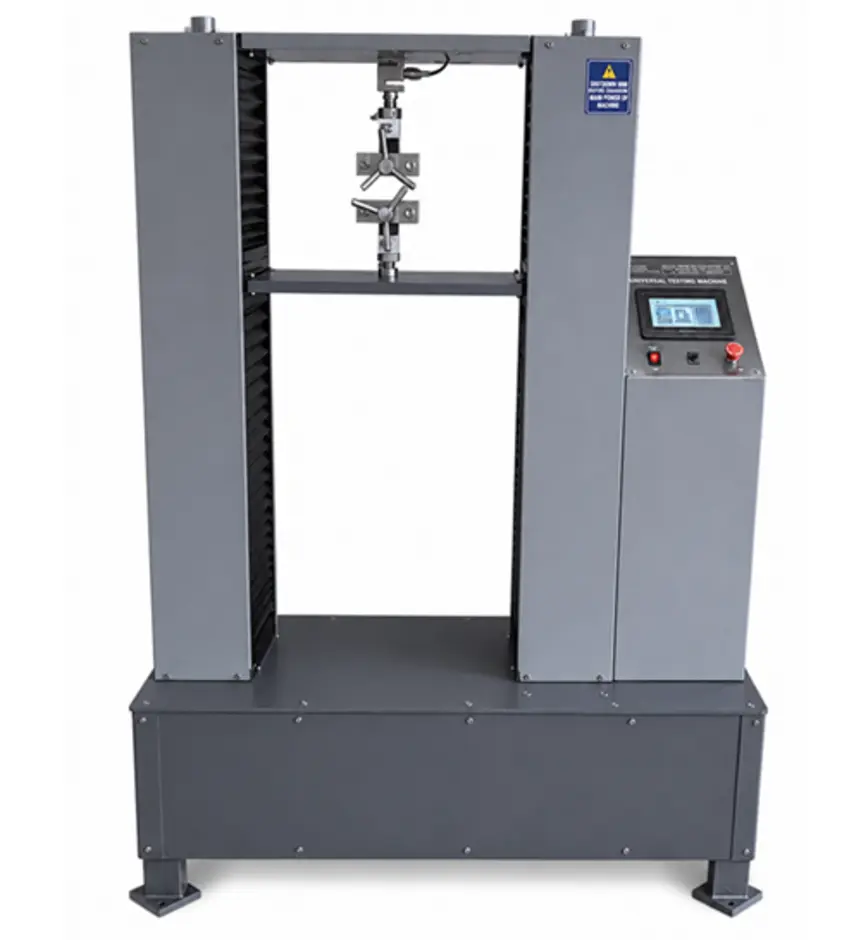
- Tensile strength, elongation, tear resistance, and compression set
- Pressure, burst, leak, or flow performance for tubing and fluid paths
- Flexural fatigue, kink resistance, torsional cycling, and crack-growth assessment
- Dimensional stability, hardness, mass change, and water uptake
- Surface inspection using suitable optical or microscopy methods
- Color or optical-transmission measurement where appearance or visibility matters
- Chemical characterization of changes in the polymer or extractable profile
- Adhesion testing for coatings, bonds, and overmolded interfaces
Test unaged and aged controls from production-representative parts, not only laboratory plaques. Include sterilized samples where relevant. If the device will be flexed while wet, chemically exposed, or oxidatively challenged, the test design should reproduce that combination as closely as practical.
A practical development checklist
Before locking a polyurethane elastomer into a medical device design, ask these questions:
- What failure would matter first: cracking, hardening, discoloration, leakage, particle release, loss of elasticity, or delamination?
- Which exposure is most severe over the full device life: water, oxidation, heat, UV, chemicals, stress, or a combination?
- Does the selected polyurethane chemistry address that exposure, or is it being offset only with additives?
- Could sterilization, packaging, transport, or processing consume stabilizer capacity or introduce residual stress?
- Which features concentrate strain, and can geometry or assembly reduce that strain?
- Are ageing tests performed on the finished, sterilized device under realistic mechanical and chemical conditions?
- Are incoming resin, colorant, additives, and process conditions controlled tightly enough to preserve the validated formulation?
Polyurethane elastomers remain valuable medical-device materials because their chemistry and mechanical behavior can be tailored widely. That flexibility also means durability cannot be assumed from the material name. A robust design connects the polymer family, complete formulation, manufacturing process, device geometry, sterilization method, and real service environment. When those factors are evaluated together, loss of elasticity, cracking, discoloration, and dimensional drift are far more likely to be identified before they become field failures.